
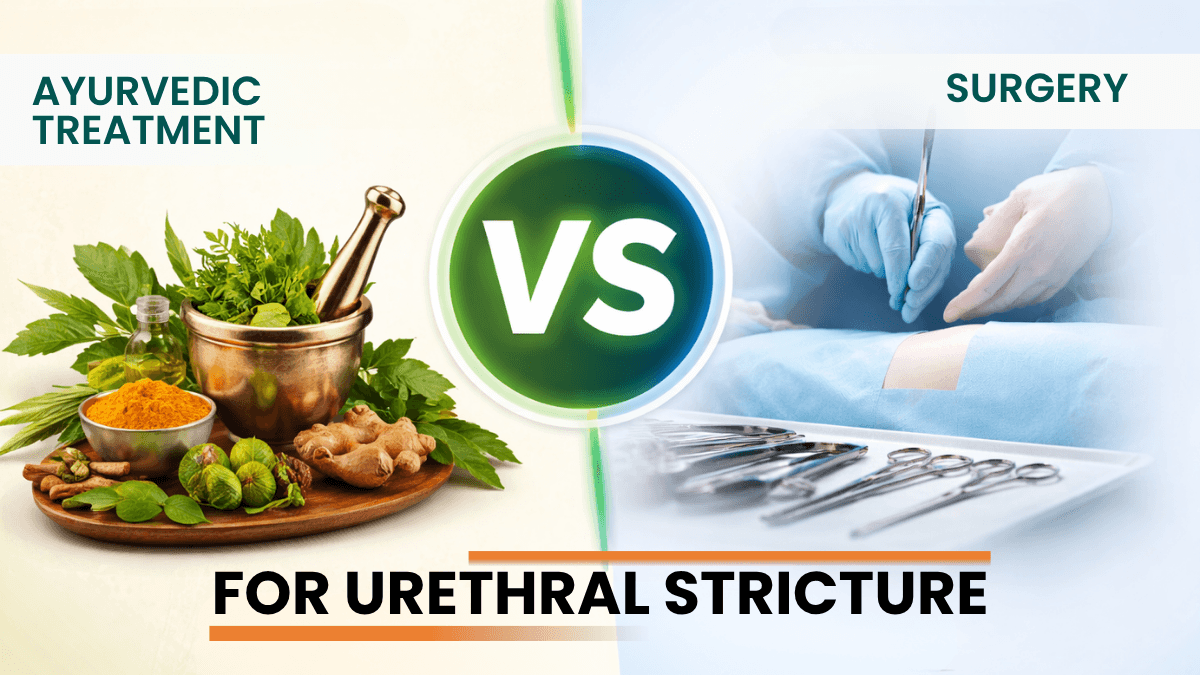
Ayurvedic Treatment vs Surgery for Urethral Stricture: Which Is Better?
Compare Ayurvedic treatment of urethral stricture vs surgery. Learn benefits, risks, and long-term outcomes for better urinary health decisions.

Brahma Ayurved
Ayurvedic Urology Center
Understanding Urethral Stricture
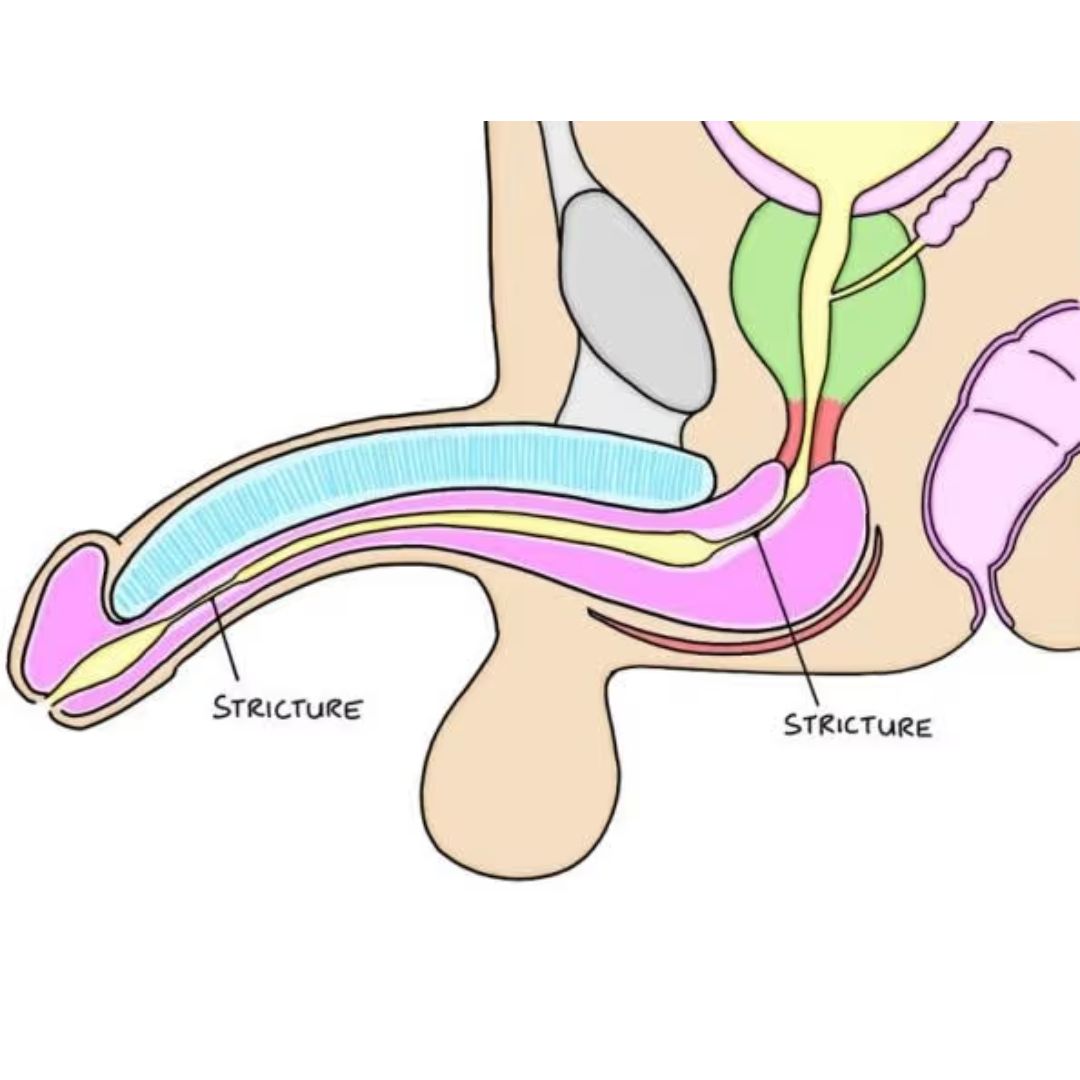
The urethra is the tube through which urine passes out of the body. When a scar forms inside this tube, it reduces the space for urine to flow.
This can happen due to:
- Past infections
- Injury or trauma
- Repeated catheter use
- Previous medical procedures
In many real-life cases, patients do not remember a single clear cause. The condition often develops slowly, and symptoms are noticed only when the narrowing becomes significant.
Patients often experience weak urine flow, straining, burning, or repeated infections.
In many cases, symptoms come back even after initial treatment. This leads to a common concern:
Should one go for surgery again, or consider Ayurvedic treatment of urethral stricture?
What Does Surgery Aim to Do?
Surgery focuses on widening or reconstructing the narrowed urethra.
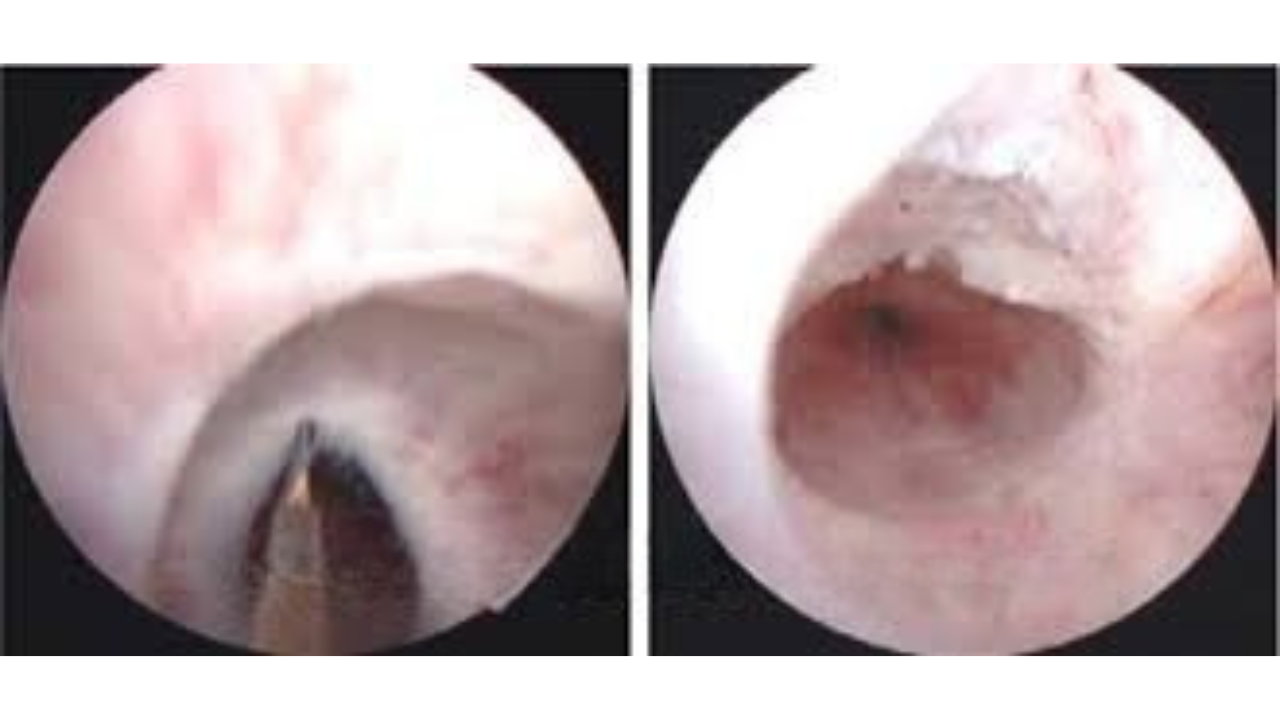
Common methods include dilatation, internal urethrotomy, and urethroplasty.
These procedures can provide relief, especially when the narrowing is severe.
However, from a clinical perspective, it is also important to understand the practical challenges associated with surgical management.
Points to Consider in Surgical Treatment
In real-world practice, patients often share certain concerns after undergoing procedures. These may include:
- Requires repeated procedures in some cases
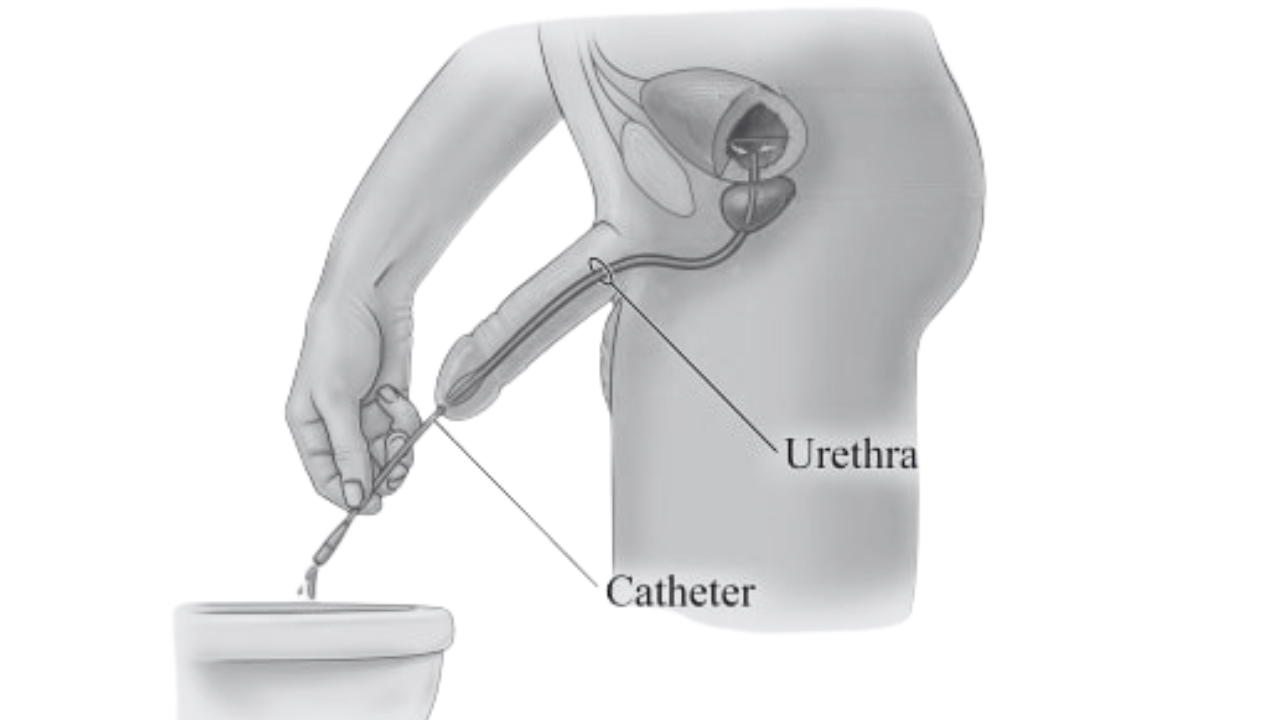
- Catheterization may be required during or after treatment
- Often provides temporary relief rather than long-term resolution
- Recovery time is needed, affecting daily routine
- Risk of wound or additional scar formation in the urethra
- Recurrence can still occur over time
These points highlight why many patients start exploring other supportive or alternative approaches, especially when the condition keeps returning.
Ayurvedic Perspective on Urethral Stricture
In Ayurveda, urethral stricture is viewed as a condition involving obstruction along with imbalance in the body’s functional systems.
The aim is not only to open the passage but also to improve the quality of the tissue and reduce the tendency of recurrence.
This is where urethral stricture ayurvedic treatment offers a different direction.
Ayurvedic Treatment of Urethral Stricture
Ayurvedic management is generally non-surgical and focuses on restoring natural function.
It commonly includes:
- Treatment through specific herbal medicines
- Therapies such as Uttar Basti, done under proper supervision
- Simple lifestyle and dietary guidance
- Regular follow-up to observe changes
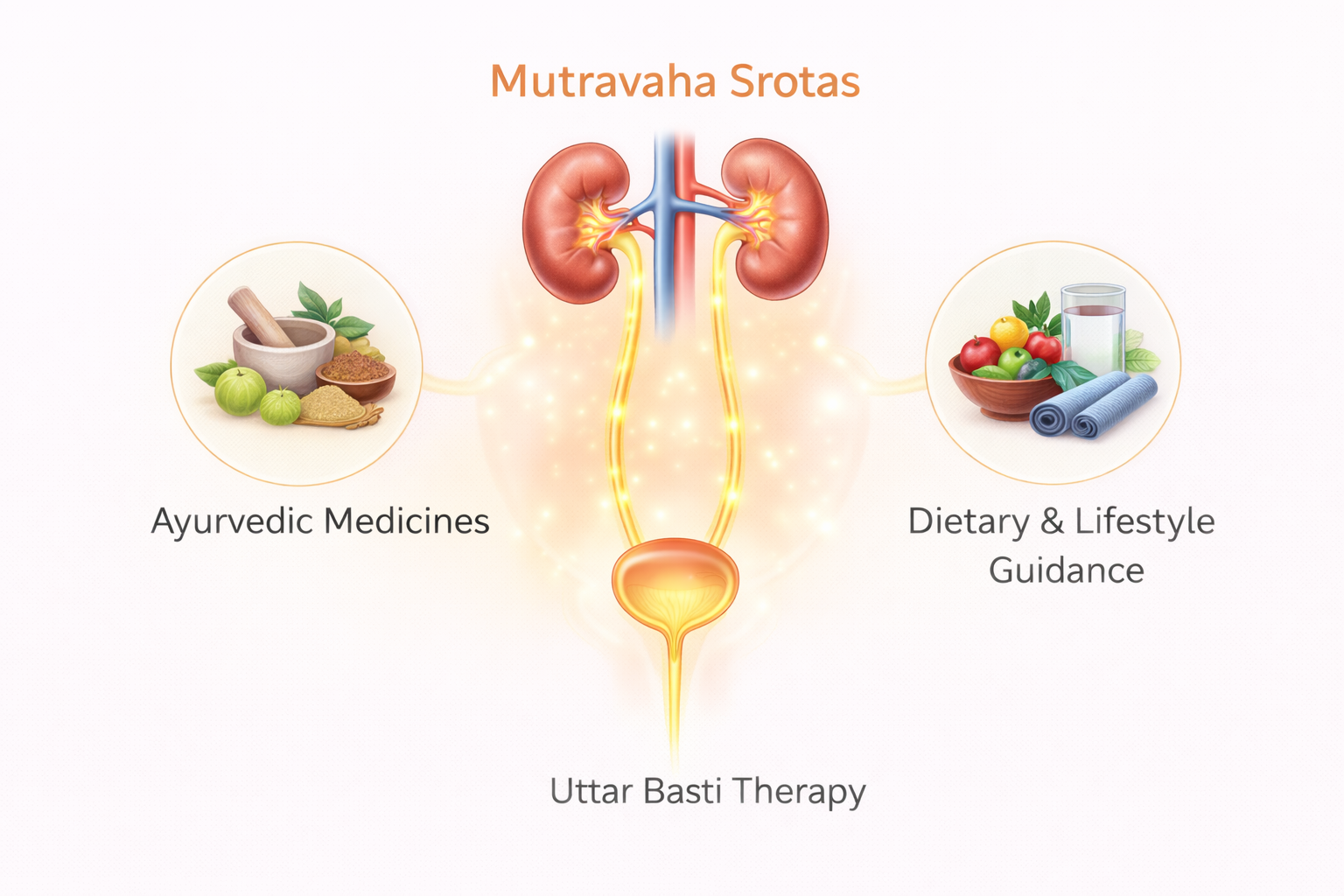
Based on clinical experience, patients often notice improvement in urine flow and reduction in discomfort when treatment is followed properly.
Key Features of Ayurvedic Treatment
Many patients prefer this approach due to the following practical advantages:
- No surgery is required
- Treatment is done through medicines and Uttar Basti
- In suitable cases, significant relief may be seen in 1–2 sittings
- No anesthesia and no hospital admission needed
- Patients can usually continue their normal routine
- Very low chances of recurrence when managed appropriately
In day-to-day practice, we have observed that patients with recurrent strictures—especially those who have undergone multiple procedures—often feel more stable after a structured Ayurvedic approach.
A Practical Comparison
Surgery
- Helpful in severe or emergency situations
- Works by mechanically widening the passage
- May involve repeat procedures and recovery time
- Recurrence is still possible
Ayurvedic Treatment
- Focuses on healing and long-term management
- Non-invasive and procedure-based without surgery
- Aims to reduce recurrence tendency
- More suitable for patients seeking continuity and comfort in daily life
Which Option Is Better?
The answer depends on the individual case.
However, in many chronic or recurrent cases, Ayurvedic treatment of urethral stricture is often considered a more sustainable and patient-friendly option.
It addresses not just the narrowing, but also the underlying factors contributing to the problem.
A Clinical Observation
It is not uncommon to meet patients who have undergone dilatation or urethrotomy multiple times, yet continue to experience narrowing again.
On the other hand, patients who follow a structured Ayurvedic protocol early in the course of the disease often report more consistent relief and fewer interruptions in daily life.
Final Thoughts
Urethral stricture requires careful and informed decision-making.
Surgery often provides immediate relief by opening the blocked passage, but recurrence can still occur over time.
In contrast, urethral stricture ayurvedic treatment focuses on deeper healing and offer more lasting relief and sustained recovery when followed under proper medical guidance.
For many patients—especially those dealing with recurrence—Ayurveda may offer a more comfortable and sustainable path forward.
A proper consultation with a qualified expert is essential before choosing the right approach.